

Omnisalud and the Fight for Healthcare Without Barriers
Health Coverage Should Not Depend on a Lottery
Imagine having your health coverage depend on whether or not your name gets picked from a lottery. For thousands of Coloradans depending on Omnisalud, that’s the reality. Funding limits and rising costs have created a system where access to basic care is left up to chance and lawmakers are now deciding what comes next.
The Health Insurance Affordability Enterprise, or HIAE, was created by the Colorado State Legislature in 2020, thanks to advocacy by COLOR together with other organizational partners and community leaders. It allows Colorado to collect a fee on health insurers and use that money, along with some additional funds, to make health insurance more affordable for people who are paying out of pocket for health coverage. That money helps reduce monthly premiums, keep insurance prices from spiking, and supports state programs that help community members, including immigrants, stay covered. These protections matter because when people lose coverage, they don’t stop needing care – they just lose a way to pay for it.
One of the programs funded through HIAE is Omnisalud. Omnisalud is an affordable healthcare program that was launched in 2022. It provides financial assistance and subsidized insurance options for Colorado community members who are not eligible for federal subsidies, including people who don’t qualify for Medicaid or premium tax credits through the Affordable Care Act (ACA) because of their immigration status. Omnisalud covers both documented and undocumented community members.
At the end of last year, the number of people who depend on Omnisalud to stay healthy was cut from 12,000 to 6,700. Community members had to enter a lottery system to determine if they were able to keep their coverage, and nearly half of them were not picked. Right now, HIAE is facing funding limits at the same time that medical costs are increasing and tax credits that keep the cost of insurance premiums from rising are being threatened at the federal level.
When People Lose Coverage, They Don’t Stop Needing Care
The 2026 Legislative Session is so important because lawmakers are debating changes that could either stabilize or weaken how HIAE works going forward. Those decisions will directly affect who gets coverage and who doesn’t, far beyond anyone with Omnisalud.
This matters because access to health care affects everyone, even people who do have insurance coverage. Whether it is for preventative care, managing chronic conditions, or having peace of mind in an emergency, healthcare is crucial for helping us lead safe and healthy lives. When people go without coverage, they delay care, end up in crisis situations, and create higher costs for the whole system because they are unable to pay.
Unpaid care doesn’t just disappear; hospitals make up the difference by charging more expensive rates, which leads to more expensive premiums for families and employers. Programs funded through HIAE help prevent widespread coverage losses, reduce emergency room use, and keep costs from being pushed onto everyone else. Even if you already have insurance, these programs help keep your premiums lower and the healthcare system working.
Decisions at the Legislature will Impact All of Us - Your Voice Matters
This legislative session, your voice is not just welcome, it’s necessary. Each of us has one Senator and one Representative whose job is to listen to us as the experts who know what it’s like to live in our communities. You can look up who represents you here and keep following this blog for key opportunities to let them know why access to healthcare is important to you and your community
You can also sign up for COLOR’s Power Alert Network to receive short, action based texts from our policy team so you know exactly when lawmakers need to hear from you, whether it be testimony, storytelling, or community organizing. Also sign up for our Virtual La Plaza COLOR meetings to connect with COLOR staff and learn about the bills we are supporting.
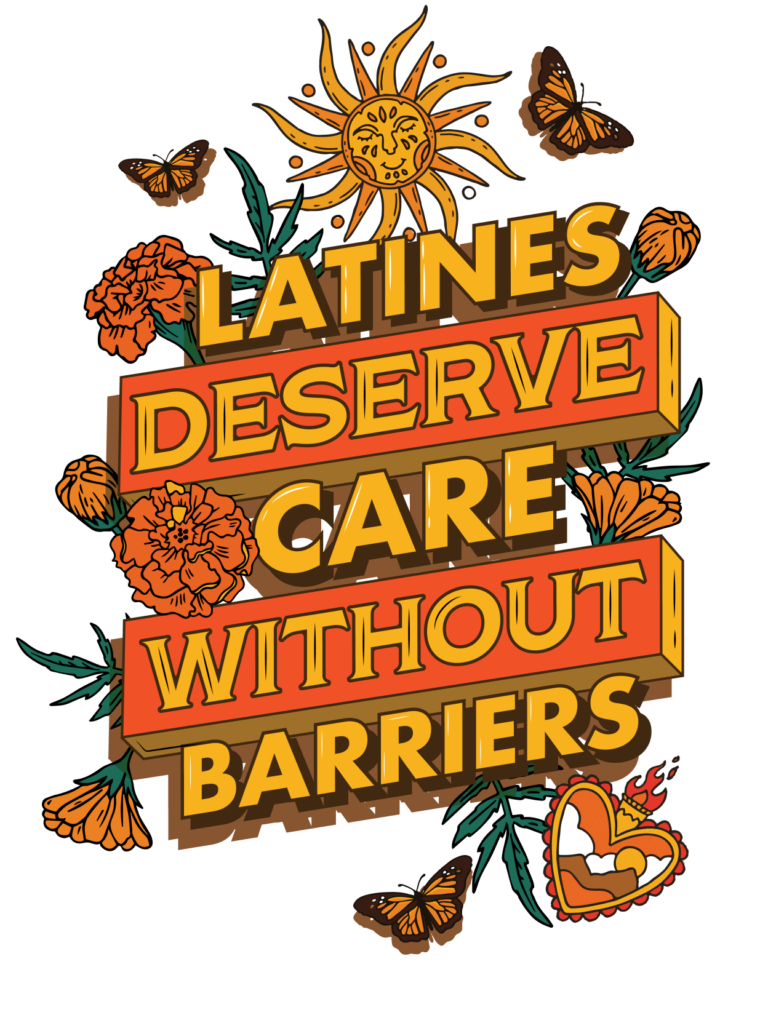
We know when our people are denied care or forced to work in unsafe conditions, it is not simply a policy failure; it is a barrier to dignity, to belonging, and to life. This is the call we carry: Latines deserve care without barriers!
Click here to learn more about our Latines Deserve Care Without Barriers and how you can get involved!
Glossary
Language in healthcare and legislative spaces is often technical and dense, deliberately making information and decisions inaccessible to everyday people. Having clear definitions and accessible language is important for us to understand, challenge, and advocate for ourselves in systems that were not built for us.
Colorado’s law-making body that is made up of two chambers: the House (65 members) and the Senate (35 members)
Regular (often monthly) payments you make to your insurer to keep your coverage active.
Financial assistance provided to individuals or entities to help reduce the cost of health insurance.
A federal law passed in 2010 to help more people afford healthcare by offering premium tax credits, expanding medicaid eligibility and by making it so that insurers can not deny coverage to people for having preexisting conditions among many other changes.
Discounts offered by the government that reduce the cost of monthly premiums for people who have insurance through the Affordable Care Act Marketplace.
COLOR has made historical moves when it comes to policy. Click below to learn more about our Latines Deserve Care Without Barriers campaign! Make sure you sign up for our monthly newsletter, where you can get more content like this!
In community,
Nicollette Tanino-Springsteen
[Disclaimer: These stories reflect the voices, experiences, and perspectives of the COLOR team shared in the spirit of learning, connection, and collective growth.]