
More than you'd think.
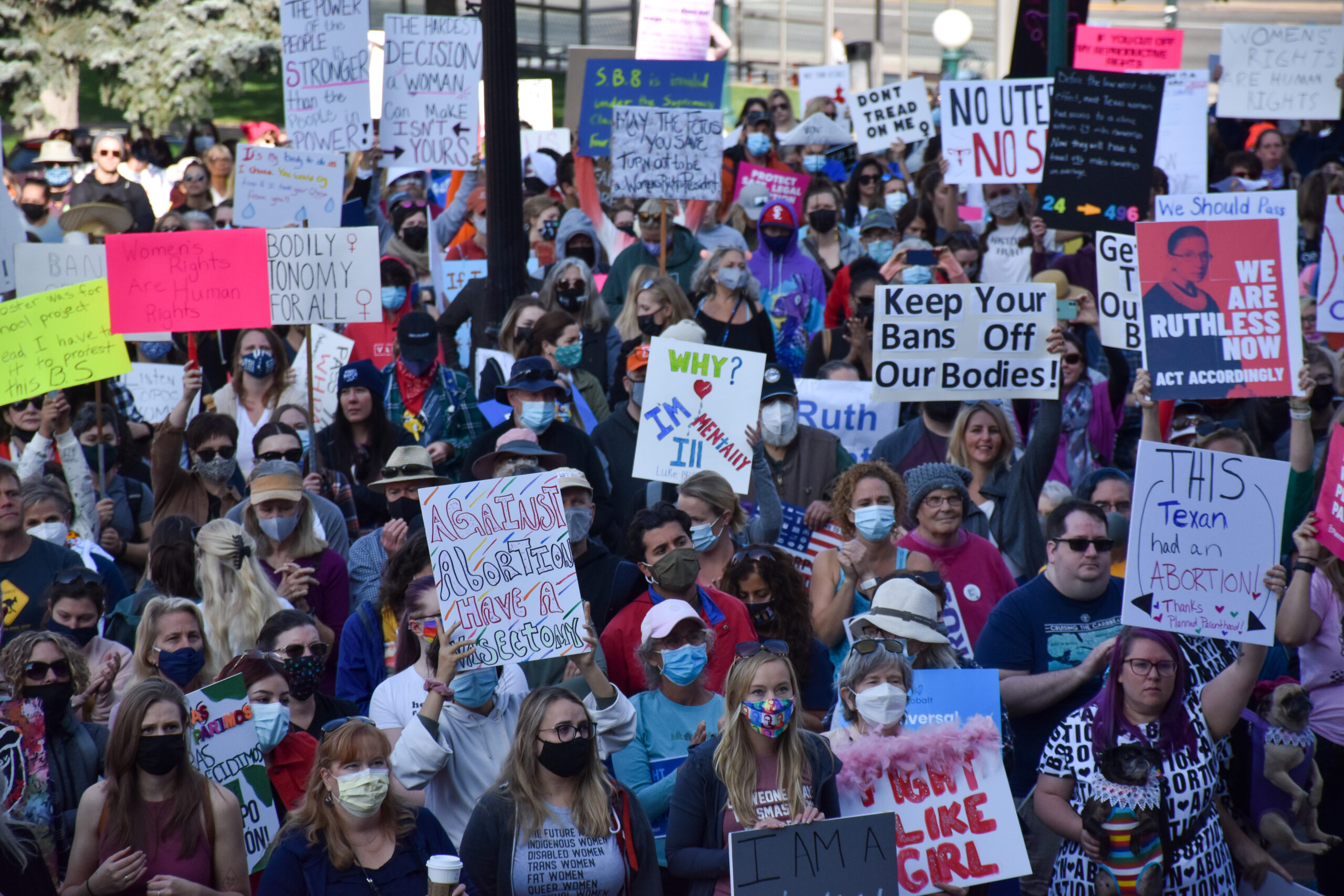
Reproductive justice is about the right to have kids, not have kids, and raise the kids you have in safe, healthy communities. That last part gets ignored a lot, but it’s just as central. And one of the biggest threats to it is our criminal justice system.
Every time we talk about criminalizing drug possession, we’re really talking about who ends up behind bars and who ends up raising a family alone. Harsh mandatory sentences don’t just punish one person. They pull a parent out of a home, a partner out of a relationship, and a paycheck out of a household, sometimes for years at a time.
Here’s the thing research keeps showing us. Harsher drug penalties don’t reduce drug use or drug sales. They don’t make communities safer. What they reliably do is fill up prisons and separate families who were already struggling to get by.
Every person sent to prison is a family restructured overnight. A kid growing up with a parent gone. A household that loses income, childcare, and stability all at once. When we design policy around punishment instead of support, families are the ones who absorb the cost.
Punishment focused policy has another hidden cost. Fear of arrest keeps people from calling for help during an overdose or a crisis. When the response to a health emergency is jail instead of care, we lose lives that didn’t have to be lost. That fear doesn’t make anyone safer. It just makes people more alone.
Reproductive justice and criminal justice reform are about whether families get to stay whole and whether people get to raise their kids without the constant threat of a system built to punish instead of support.